

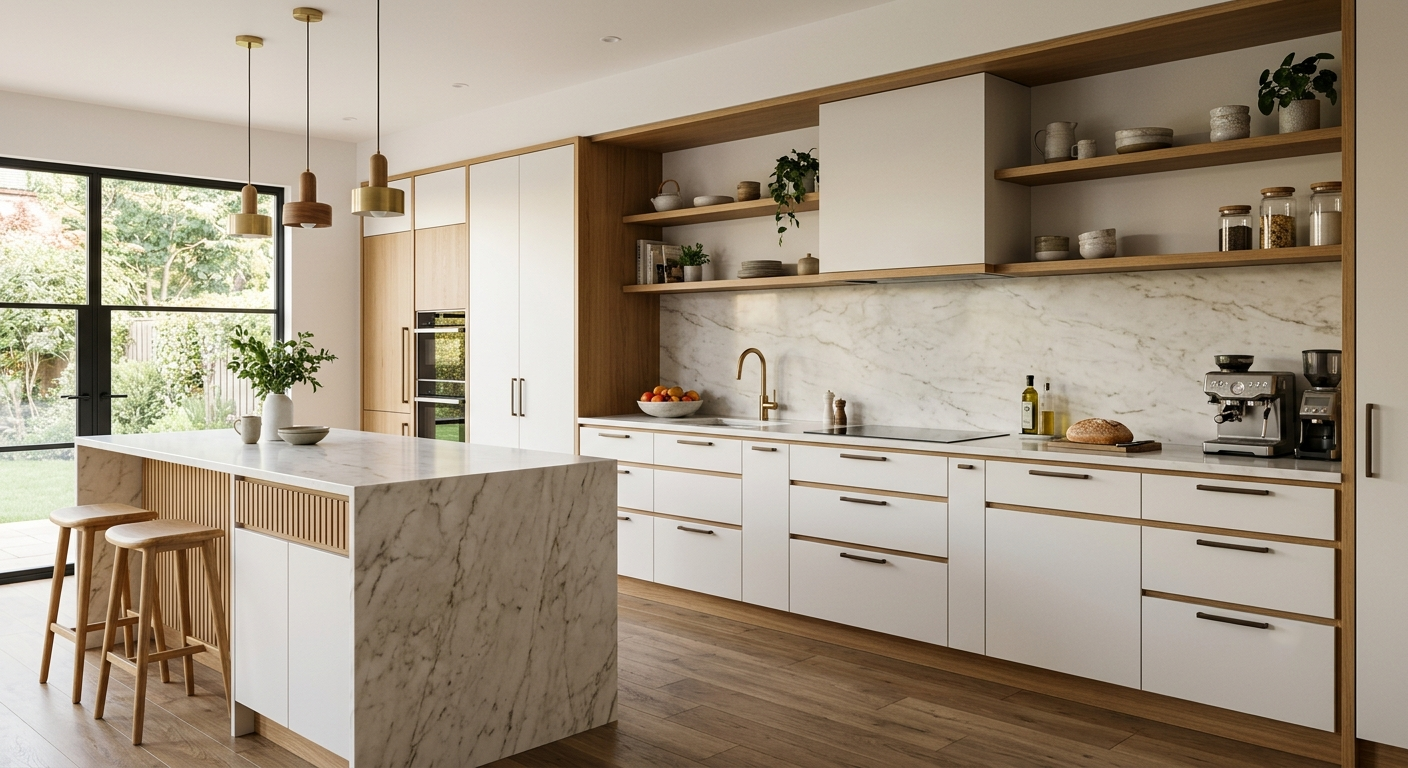
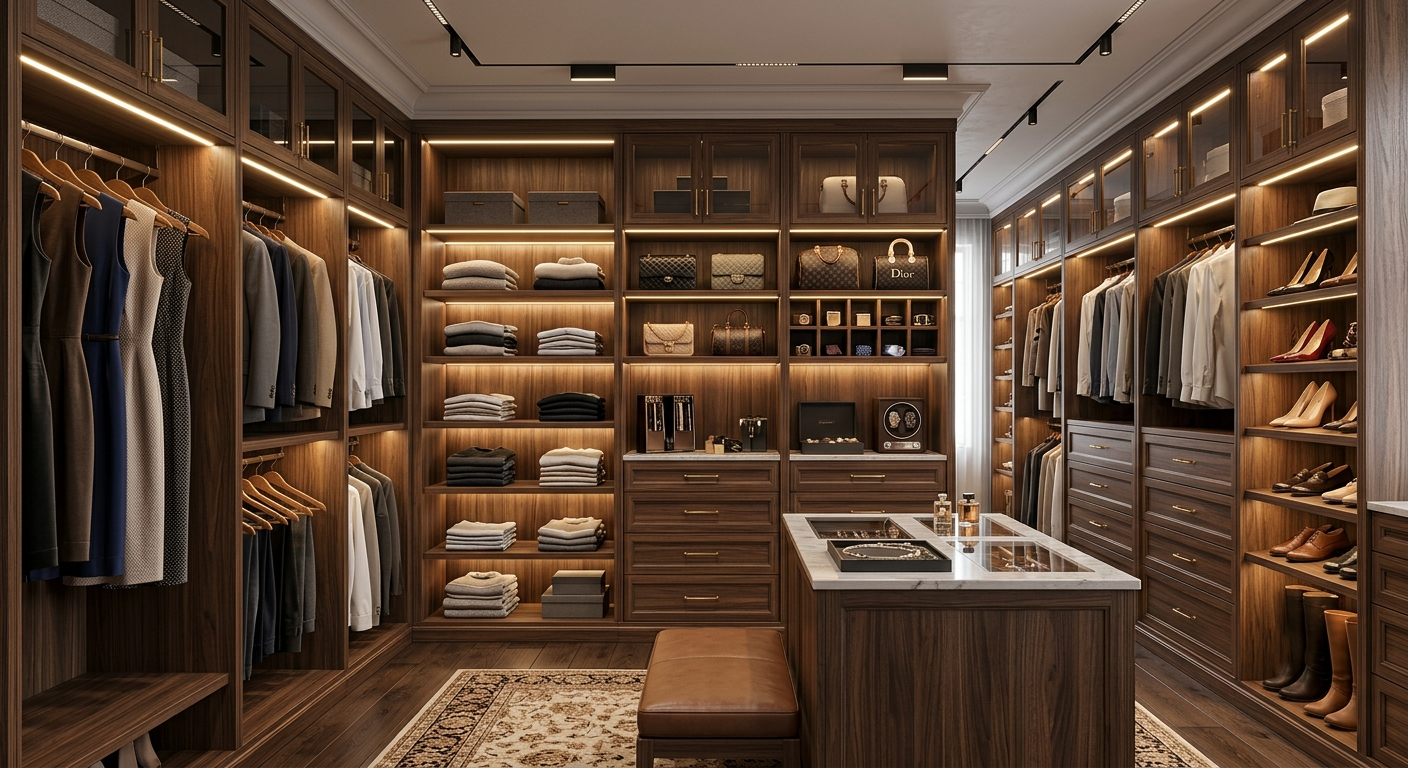
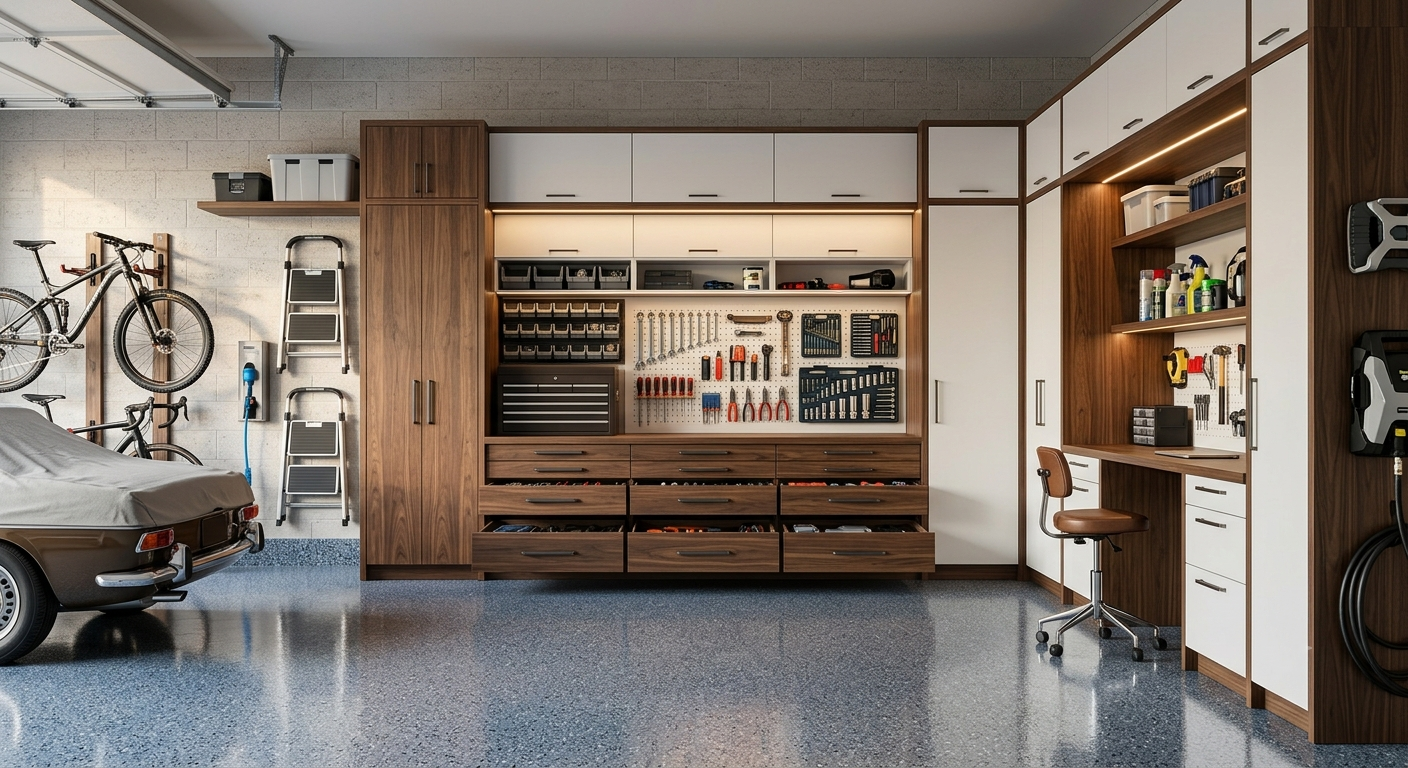
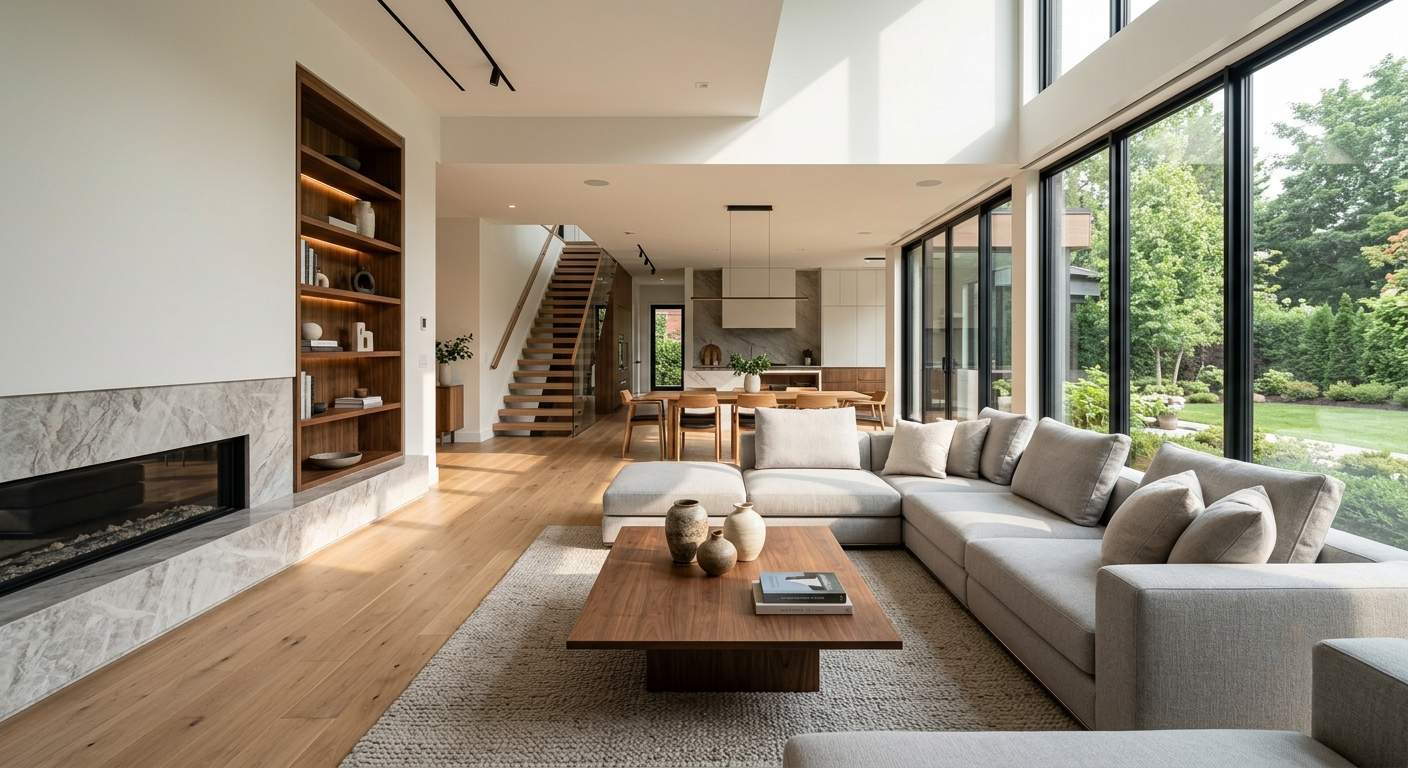
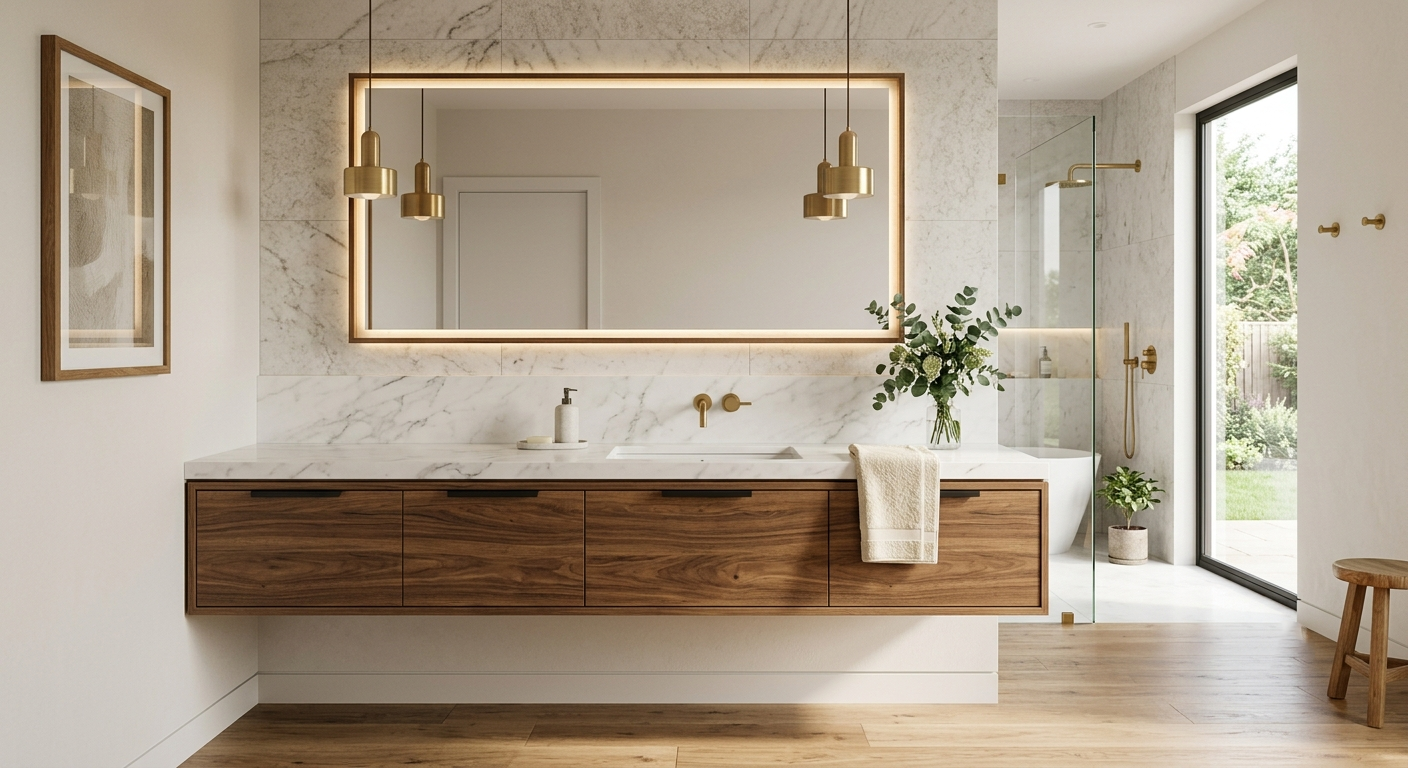
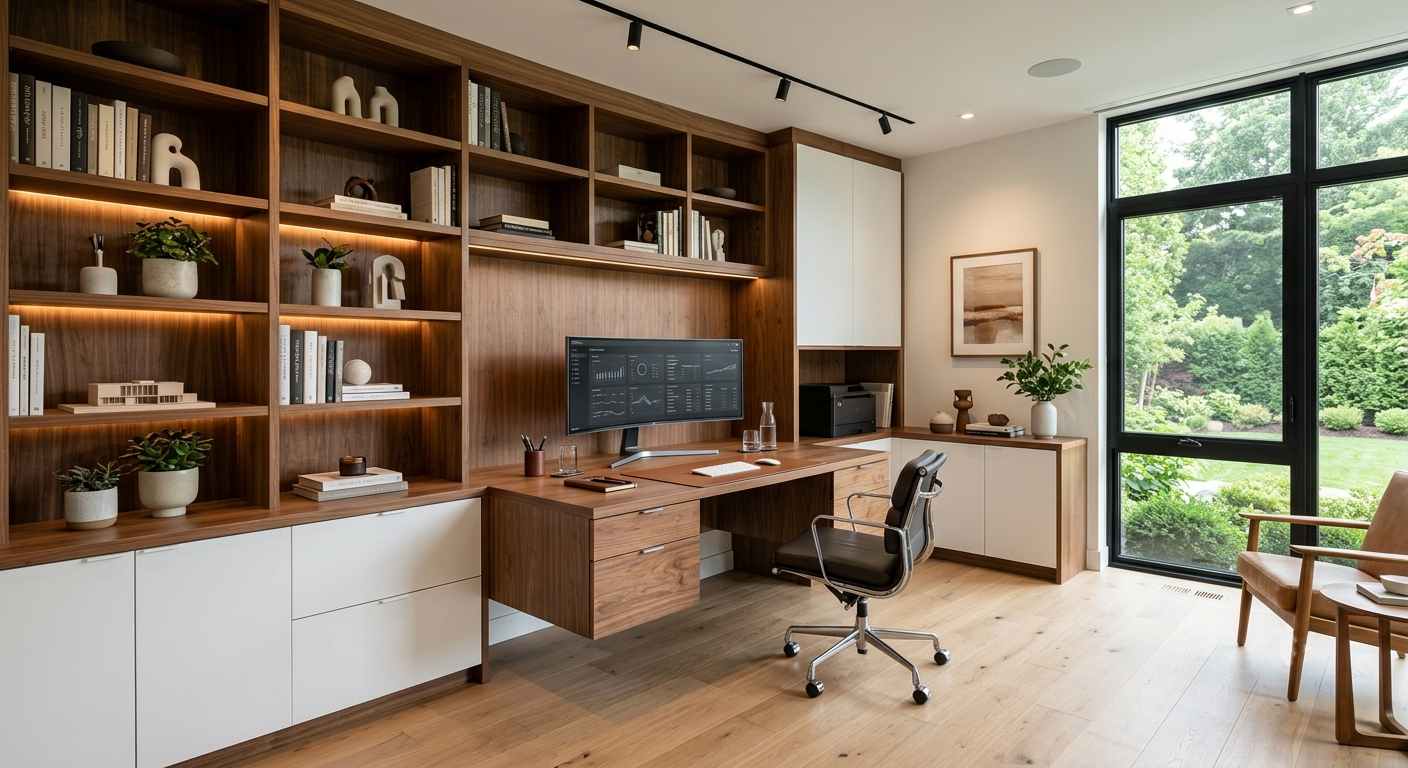
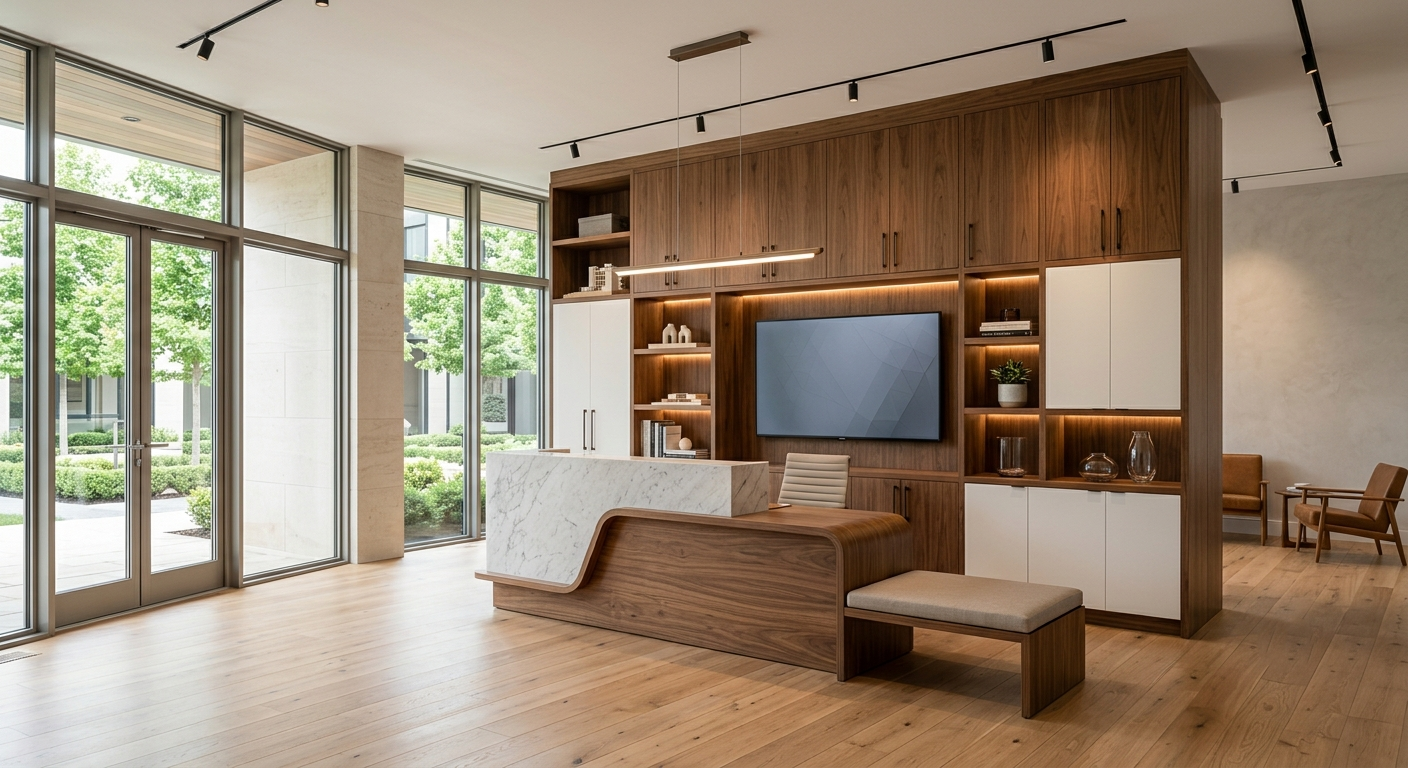

A kitchen remodel is one of the most rewarding home improvement projects you can take on. It improves the way your kitchen looks, functions, and feels while adding long-term value to your home. As you begin planning your renovation, one of the biggest decisions you’ll face is whether to keep your existing cabinets or replace them with new ones.
The answer depends on several factors, including the condition of your current cabinets, your remodeling goals, your budget, and whether you’re changing the layout of your kitchen. While keeping existing cabinets can reduce renovation costs, replacing them often provides greater flexibility, improved storage, and a fresh appearance that can completely transform the space.
At American Icon, we help homeowners design kitchens that combine beauty, functionality, and lasting quality. Understanding when cabinet replacement makes sense can help you make the best decision for your home and your investment.
Why Kitchen Cabinets Matter During a Remodel
Cabinets are one of the largest and most noticeable features in any kitchen. They do much more than provide storage—they define the room’s style, influence the layout, and affect how efficiently you use the space every day.
Because cabinets take up a significant portion of the kitchen, replacing them can dramatically change the overall appearance of the room. New cabinetry also creates opportunities to improve organization, maximize storage, and add modern features that make cooking and cleaning more convenient.
If you’re already investing in new countertops, flooring, lighting, or appliances, updating your cabinets at the same time often creates a more cohesive and attractive finished kitchen.
When Should You Replace Your Kitchen Cabinets?
Not every kitchen remodel requires new cabinets, but there are situations where replacement is clearly the better option.
Your Cabinets Show Signs of Wear
Years of daily use can leave cabinets with visible damage that affects both appearance and performance. Water exposure, heavy use, and age can weaken cabinet boxes and doors over time.
If you notice warped wood, peeling finishes, broken drawers, loose hinges, or cabinet boxes that no longer feel sturdy, replacing them is often more practical than attempting repeated repairs. Investing in new cabinets provides a stronger foundation for your remodeled kitchen and helps prevent future maintenance issues.
You’re Remodeling the Entire Kitchen
A complete kitchen remodel usually includes new countertops, flooring, backsplashes, lighting, and appliances. If you’re already updating most of the room, keeping outdated cabinets may prevent the space from reaching its full potential.
Replacing cabinets during a full remodel allows every design element to work together. Colors, materials, hardware, and finishes can all be selected to create a unified look that reflects your personal style.
You Want Better Storage
Many older kitchens simply weren’t designed for today’s storage needs. Small shelves, limited drawer space, and difficult-to-reach corners often make it harder to stay organized.
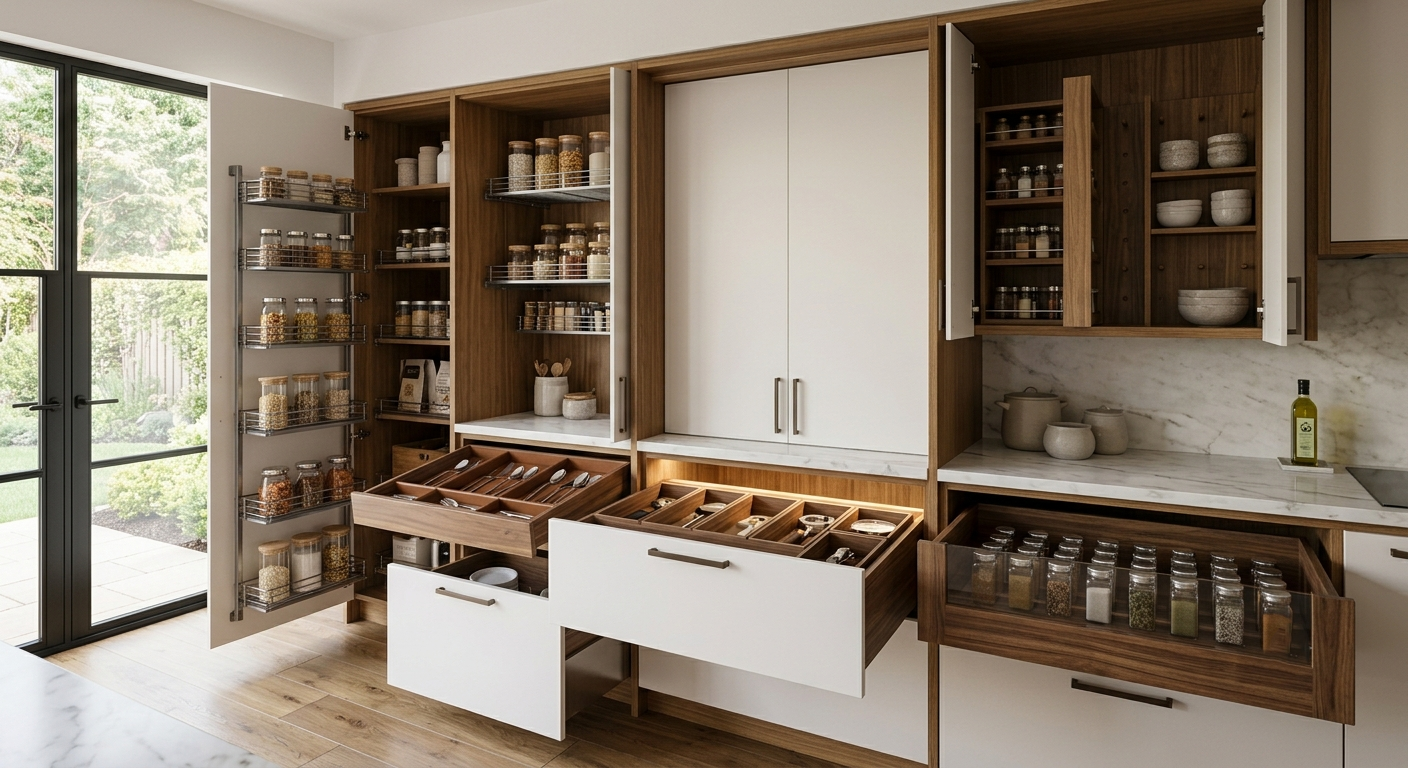
Replacing your cabinets allows you to customize storage based on how your family uses the kitchen. Modern cabinetry offers practical solutions such as deep drawers for pots and pans, pull-out pantry shelves, corner organizers, built-in spice racks, recycling stations, and soft-close drawers that improve everyday convenience.
Instead of working around storage limitations, you can create a kitchen that keeps everything organized and within easy reach.
You’re Changing the Kitchen Layout
If your renovation includes moving appliances, removing walls, adding an island, or expanding the kitchen, replacing the cabinets is usually the best choice.
New layouts require cabinets that fit the redesigned space. Trying to reuse existing cabinets often limits your design options and can make the finished kitchen feel pieced together rather than professionally planned.
Installing new cabinets allows your contractor to create a layout that improves traffic flow, increases workspace, and makes better use of every square foot.
When Keeping Existing Cabinets May Be the Better Choice
Cabinet replacement isn’t necessary for every project. If your cabinets are still in excellent structural condition and your kitchen layout works well, keeping them may be a practical option.
Many homeowners choose to repaint, refinish, or update cabinet hardware instead of replacing everything. This approach can refresh the appearance of the kitchen while reducing renovation costs.
Keeping your existing cabinets may make sense if they:
- Are structurally sound
- Have little or no water damage
- Meet your storage needs
- Fit your remodeling plans
- Only need cosmetic improvements
A professional remodeling contractor can inspect your cabinets and help determine whether replacement or refinishing is the better long-term investment.
Cabinet Refacing vs. Cabinet Replacement
Many homeowners compare cabinet refacing with cabinet replacement before starting a kitchen remodel. While both options improve appearance, they achieve different results.
Cabinet refacing keeps the existing cabinet boxes while replacing the doors, drawer fronts, and hardware. A new veneer or finish is also applied to the exposed cabinet surfaces. This option is often chosen when the cabinet structure remains in good condition but the appearance feels outdated.
Cabinet replacement involves removing the existing cabinetry and installing an entirely new system. This gives homeowners complete freedom to redesign the kitchen, improve storage, and select new cabinet styles, materials, and layouts.
If your remodel includes significant design changes or functional improvements, replacement usually offers greater flexibility and better long-term value.
Benefits of Replacing Cabinets During a Kitchen Remodel
One of the biggest advantages of replacing your cabinets is the opportunity to create a kitchen that better fits your family’s lifestyle.
New cabinets improve organization by providing storage solutions designed for modern kitchens. Pull-out shelves, deep drawers, pantry cabinets, and custom organizers help reduce clutter while making everyday tasks easier.
Replacing cabinets also allows you to update the overall appearance of your home. Whether you prefer timeless shaker cabinets, sleek contemporary designs, or natural wood finishes, new cabinetry creates a fresh look that complements your countertops, backsplash, flooring, and lighting.
Another important benefit is improved functionality. Instead of adapting to an outdated layout, you can design cabinets around the way you cook, entertain, and use the space every day.
Finally, quality kitchen cabinets can increase your home’s resale value. Updated kitchens continue to be one of the most attractive features for potential buyers, making cabinet replacement a worthwhile investment for many homeowners.
Choosing the Right Kitchen Cabinets
Selecting new cabinets involves more than choosing a color you like. The right cabinets should combine durability, functionality, and style.
Homeowners typically choose from three main cabinet types.
Stock cabinets are manufactured in standard sizes and are generally the most affordable option. They’re ideal for straightforward kitchen layouts and faster installation.
Semi-custom cabinets provide additional flexibility in dimensions, finishes, and storage features while remaining budget-friendly.
Custom cabinets are built specifically for your kitchen. They allow complete control over size, layout, materials, finishes, and storage solutions, making them an excellent choice for homeowners seeking a personalized design.
Working with an experienced remodeling contractor helps ensure you choose cabinetry that fits both your kitchen and your long-term needs.
Features Worth Considering in New Cabinets
Modern kitchen cabinets include features that make everyday life easier while improving the overall functionality of the room.
Soft-close doors and drawers reduce noise and prevent unnecessary wear. Pull-out shelves make it easier to access cookware stored in lower cabinets, while deep drawers provide convenient storage for large pots, pans, and small appliances.
Corner cabinets can be equipped with rotating storage systems that eliminate wasted space, and built-in pantry organizers help keep food items neatly arranged.
Many homeowners also choose hidden trash and recycling bins, vertical tray storage, under-cabinet lighting, and drawer dividers to create a cleaner, more organized kitchen.
These thoughtful upgrades may seem small individually, but together they significantly improve how the kitchen functions every day.
Factors to Consider Before Making Your Decision
Before deciding whether to replace your cabinets, it’s important to think about your long-term plans for the home.
If you plan to remain in your home for many years, investing in quality cabinets can provide lasting comfort and durability. On the other hand, if you’re preparing your property for sale, replacing outdated cabinets may increase buyer appeal and help your home stand out in the market.
Budget also plays an important role. While cabinet replacement requires a larger investment than refinishing or refacing, it often delivers greater value by improving storage, functionality, and appearance all at once.
Most importantly, think about how you want your kitchen to work after the remodel is complete. If your current cabinets limit storage or no longer support your lifestyle, replacement is usually the better solution.
Why Homeowners Trust American Icon
At American Icon, we understand that every kitchen remodel is unique. Our team works closely with homeowners to design kitchens that reflect their style while improving comfort, storage, and everyday functionality.
From selecting quality cabinetry to completing professional installation, we focus on craftsmanship, attention to detail, and clear communication throughout every project.
Whether you’re updating a small kitchen or planning a complete renovation, we provide personalized remodeling solutions designed to meet your needs and your budget.
Final Thoughts
Replacing cabinets during a kitchen remodel isn’t always necessary, but it is often the best choice when your existing cabinets are worn, outdated, or no longer meet your storage and design needs. New cabinets provide an opportunity to improve organization, create a more functional layout, and give your kitchen a fresh appearance that complements the rest of your renovation.
If your current cabinets remain structurally sound and your remodeling goals are primarily cosmetic, refinishing or refacing may be enough. However, for homeowners planning a complete kitchen transformation, replacing cabinets usually delivers the greatest long-term value.
At American Icon, we’re committed to helping homeowners create kitchens that combine beautiful design with everyday practicality. Whether you’re exploring your options or ready to begin your renovation, our team can help you choose the right cabinetry for your home.
Frequently Asked Questions
Is it better to replace cabinets during a kitchen remodel?
If you’re remodeling the entire kitchen or changing the layout, replacing the cabinets is usually the best option. It creates a more cohesive design and improves both storage and functionality.
Can I keep my existing cabinets if they’re in good condition?
Yes. If the cabinets are structurally sound, fit your new layout, and only need cosmetic improvements, refinishing or refacing may be a cost-effective solution.
How long do kitchen cabinets typically last?
Well-built kitchen cabinets can last 20 to 30 years or longer with proper care and maintenance. Their lifespan depends on the quality of materials, installation, and daily use.
Do new kitchen cabinets increase home value?
Yes. Updated cabinets improve the appearance and functionality of the kitchen, making the home more attractive to potential buyers and often increasing resale value.
Should cabinets be installed before countertops?
Yes. Cabinets are installed first so the countertops can be accurately measured and fabricated to fit the completed cabinet layout.
